
How to Use a Hand Mixer for Perfect Baking Results
Key Takeaways
- Choose the right speed: Start low to avoid splatters, then increase for thorough mixing.
- Use proper attachments: Beaters for batters, whisk for creaming butter and sugar.
- Keep the bowl steady: Hold it firmly or use a non-slip mat to prevent movement.
- Mix in stages: Add ingredients gradually for even consistency and better texture.
- Scrape the bowl often: Ensure no unmixed pockets remain for uniform results.
- Don’t overmix: Stop once ingredients are combined to avoid dense or tough baked goods
How to Use a Hand Mixer for Perfect Baking Results
Let’s be honest—baking can feel like a science experiment, especially when you’re trying to get that perfect fluffy meringue or smooth, lump-free batter. I remember my first time using a hand mixer. I was so excited to whip up a batch of chocolate chip cookies, but halfway through, my batter was splattered across the kitchen walls, and the mixer was making a sad, struggling noise. Sound familiar? You’re not alone. Many home bakers—myself included—have been there.
The good news? Once you learn how to use a hand mixer properly, it becomes one of your most trusted kitchen allies. Whether you're creaming butter and sugar, whipping egg whites, or mixing pancake batter, a hand mixer can save time, reduce arm fatigue, and deliver consistent results. In this guide, I’ll walk you through everything you need to know to use your hand mixer like a pro—no more flying batter, no more uneven mixes. Just delicious, bakery-worthy treats made right in your own kitchen.
Understanding Your Hand Mixer: Parts and Functions
Before you even plug it in, take a moment to get to know your hand mixer. Most models look similar, but understanding the parts will help you use it more effectively and safely.
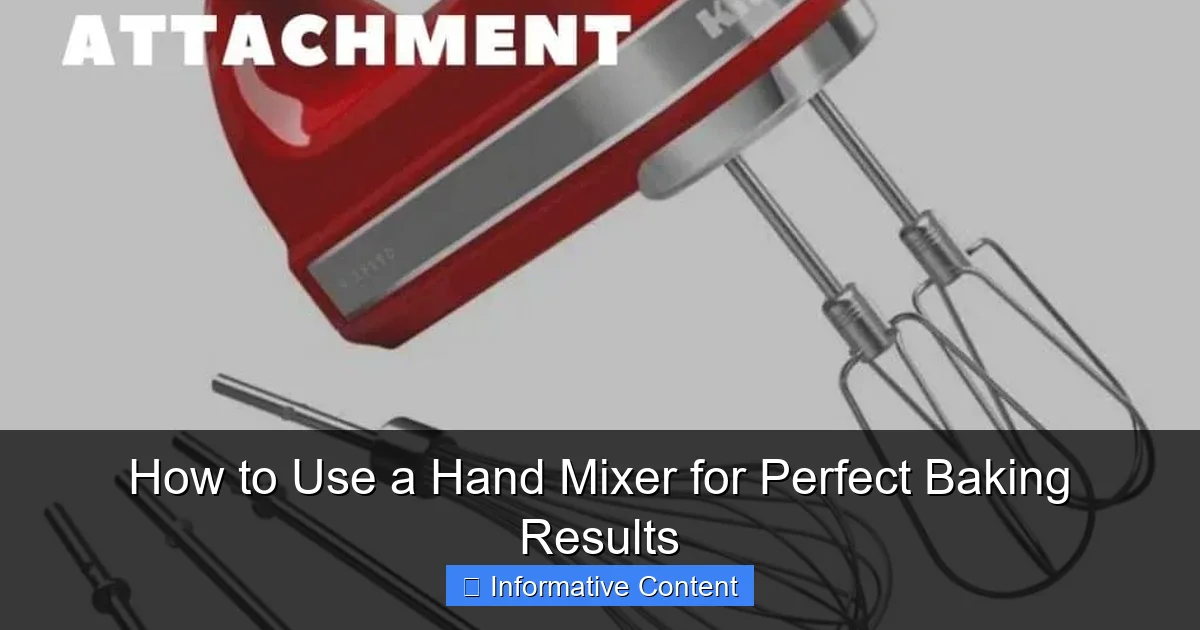
Visual guide about How to Use a Hand Mixer for Perfect Baking Results
Image source: jodysbakery.com
Key Components of a Hand Mixer
- Motor Housing: This is the main body you hold. It contains the motor that powers the beaters.
- Speed Control Dial or Buttons: Usually located near the handle, this lets you adjust mixing speed—from slow stir to high-speed whip.
- Beater Ejection Button: A small lever or button that releases the beaters when you're done.
- Mixing Attachments: Most hand mixers come with two standard beaters (for general mixing) and sometimes dough hooks or whisk attachments for specific tasks.
Some higher-end models also include features like a soft-grip handle, bowl rest notch (so the mixer can sit safely on the bowl), and even a turbo boost button for extra power. Knowing what your model offers helps you get the most out of it.
Choosing the Right Attachment
Not all beaters are created equal. Here’s a quick breakdown:
- Standard Beaters (Flat Beaters): Best for creaming butter and sugar, mixing cake batters, and combining dry and wet ingredients.
- Whisk Attachments: Ideal for whipping cream, beating egg whites, or making light, airy frostings.
- Dough Hooks: Designed for kneading bread or pizza dough—though hand mixers aren’t as powerful as stand mixers for heavy doughs.
Pro tip: Always make sure your attachments are securely locked in place before turning on the mixer. A wobbly beater can lead to uneven mixing or even damage your mixer.
Setting Up for Success: Prep Work Matters
You wouldn’t start baking without preheating the oven, right? The same goes for using your hand mixer. A little prep goes a long way in ensuring smooth, consistent results.
Choose the Right Bowl
Use a bowl that’s deep enough to prevent splattering but wide enough to allow the beaters to move freely. A 3- to 4-quart stainless steel or glass bowl works well for most tasks. Avoid shallow bowls—they increase the chance of batter flying everywhere.
Secure the Bowl
Place a damp paper towel or silicone mat under your bowl to keep it from sliding around on the counter. I learned this the hard way when my bowl tipped over mid-mix, sending brownie batter across the floor. Now, I always stabilize my bowl—it’s a game-changer.
Ingredient Temperature Matters
For best results, use room-temperature ingredients—especially butter and eggs. Cold butter won’t cream properly, and cold eggs can deflate whipped mixtures. Take your ingredients out of the fridge 30–60 minutes before baking, or gently warm butter in the microwave for 5–10 seconds.
Also, make sure your beaters and bowl are clean and dry. Any residual grease or water can prevent egg whites from whipping properly. A quick wipe with vinegar can remove stubborn grease if needed.
Mastering Mixing Techniques: Step-by-Step Guide
Now that you’re set up, let’s talk technique. Using a hand mixer isn’t just about turning it on and letting it run. How you move it, how fast you go, and when you stop all affect the final texture of your baked goods.
Starting Slow: The Importance of Low Speed
Always begin mixing on the lowest speed. This prevents ingredients from flying out of the bowl. Once everything starts to come together, you can gradually increase the speed. For example, when creaming butter and sugar, start on speed 1 or 2 for 30 seconds, then move to medium speed (around 4–6) for 2–3 minutes until light and fluffy.
Scraping the Bowl
Hand mixers don’t reach every corner of the bowl like stand mixers do. Pause every 30–60 seconds to stop the mixer, remove the beaters, and use a silicone spatula to scrape down the sides and bottom of the bowl. This ensures even mixing and prevents pockets of unmixed flour or sugar.
Whipping Egg Whites and Cream
For stiff peaks in egg whites or whipped cream, start on low to combine, then gradually increase to high speed. Watch closely—overwhipping can turn cream into butter and egg whites into dry, grainy foam. Stop as soon as you reach the desired consistency.
Example: To make perfect meringue, beat 3 egg whites on medium speed until foamy, then add 1/4 cup sugar gradually while increasing to high speed. Beat until stiff, glossy peaks form—usually 3–5 minutes.
Folding vs. Beating
Some recipes call for folding in ingredients (like whipped cream or chocolate chips) after mixing. In these cases, turn off the mixer and use a spatula to gently incorporate. Using the mixer here can deflate delicate mixtures and ruin the texture.
Common Baking Tasks and How to Handle Them
Let’s put your skills to the test with some real-world baking scenarios. Here’s how to use your hand mixer for everyday recipes.
Creaming Butter and Sugar
This is the foundation of many cakes and cookies. Use the flat beaters and start on low speed to combine 1/2 cup softened butter and 3/4 cup sugar. Gradually increase to medium-high and beat for 2–3 minutes until pale and fluffy. This step incorporates air, which helps your baked goods rise and stay tender.
Mixing Cake and Muffin Batters
Combine dry ingredients in one bowl, wet in another. Add wet to dry and mix on low speed just until combined—overmixing leads to tough cakes. Stop as soon as no flour streaks remain.
Whipping Frosting
For buttercream, beat 1/2 cup softened butter on medium speed for 1 minute. Gradually add 2–3 cups powdered sugar and 1–2 tablespoons milk or cream. Beat on high for 2–3 minutes until light and fluffy. Add vanilla or other flavorings at the end.
Making Pancake or Waffle Batter
Mix dry ingredients, then add milk, eggs, and melted butter. Use the hand mixer on low speed for 15–20 seconds—just enough to combine. Overmixing creates gluten, leading to tough pancakes.
Pro tip: If your batter looks lumpy, that’s okay! A few small lumps are normal and will disappear during cooking.
Troubleshooting Common Hand Mixer Problems
Even with the best technique, things can go wrong. Here’s how to fix the most common issues.
Mixer Is Struggling or Overheating
If your hand mixer starts to slow down or smell like it’s burning, it’s likely overworked. This happens when mixing thick doughs or running it continuously for too long. Turn it off, let it cool for 10–15 minutes, and consider switching to a stand mixer for heavy tasks.
Batter Is Splattering Everywhere
This usually means you started on too high a speed or didn’t use a deep enough bowl. Next time, begin on low and cover the bowl with a splatter guard or even a clean kitchen towel (just make sure it doesn’t touch the beaters).
Beaters Won’t Lock In
Make sure the mixer is unplugged before inserting beaters. Align the pins on the beaters with the slots in the mixer and push firmly until they click. If they still won’t lock, check for debris or damage.
Uneven Mixing or Lumpy Batter
This is often due to not scraping the bowl enough. Pause frequently to scrape down the sides and fold ingredients from the bottom up.
Hand Mixer Speed Guide: When to Use Each Setting
| Speed Setting | Best For | Example Tasks |
|---|---|---|
| 1–2 (Low) | Gentle mixing, combining dry and wet ingredients | Mixing pancake batter, folding in chocolate chips |
| 3–4 (Medium-Low) | Creaming butter and sugar, mixing cookie dough | Creaming 1/2 cup butter with 1 cup sugar |
| 5–6 (Medium) | Beating batters, making frosting | Mixing cake batter, beating buttercream |
| 7–8 (Medium-High) | Whipping cream, beating eggs | Whipping 1 cup heavy cream to soft peaks |
| 9–10 (High) | Stiff peaks, fast whipping | Making meringue, finishing whipped cream |
Most recipes will specify a speed range, but when in doubt, start low and increase gradually. It’s easier to add speed than to fix overmixed batter.
Cleaning and Maintaining Your Hand Mixer
Your hand mixer will last for years if you take care of it properly. Here’s how to keep it in top shape.
Cleaning the Beaters
Remove the beaters immediately after use and wash them in warm, soapy water. Most are dishwasher-safe, but check your manual to be sure. For stubborn residue, soak them for 10–15 minutes before scrubbing.
Wiping Down the Motor Housing
Never submerge the motor body in water. Instead, wipe it with a damp cloth and dry thoroughly. Avoid getting water near the speed controls or electrical components.
Storing Safely
Store your hand mixer in a dry place, preferably with the beaters attached or in a protective case. Coiling the cord neatly prevents tangles and damage.
Pro tip: Run the mixer with a damp sponge for a few seconds to clean hard-to-reach areas around the beater sockets.
Final Thoughts: Baking with Confidence
Using a hand mixer doesn’t have to be intimidating. With a little practice and the right techniques, you’ll be whipping up cakes, cookies, and mousses like a pro. Remember: start slow, scrape often, and choose the right attachment for the job. Your mixer is a tool—not a magic wand—but when used correctly, it can make baking faster, easier, and a lot more fun.
So the next time you’re staring at a bowl of ingredients, don’t reach for the wooden spoon unless you really want to. Grab your hand mixer, take a deep breath, and trust the process. Whether you’re making a birthday cake or a quick batch of brownies, you’ve got this. And who knows? Your next bake might just be your best one yet.
Frequently Asked Questions
How do I properly attach the beaters to a hand mixer?
To attach the beaters, align them with the slots on the hand mixer and push firmly until they click into place. Make sure the mixer is unplugged before attaching or removing attachments for safety.
What speed should I use when mixing different ingredients?
Start on the lowest speed to combine ingredients gently, then gradually increase to medium or high for whipping cream or beating eggs. Refer to your recipe or the hand mixer’s guide for specific speed recommendations.
Can I use a hand mixer for thick batters like cookie dough?
Yes, but avoid overworking the motor—use short bursts and switch to a dough hook if your model includes one. For very thick doughs, consider using a stand mixer to prevent strain.
How do I clean my hand mixer after use?
Unplug the mixer and remove the beaters, then wash them in warm, soapy water or place them in the dishwasher if they’re dishwasher-safe. Wipe the motor unit with a damp cloth—never submerge it in water.
Why is my hand mixer making a strange noise?
Unusual noises may indicate that the beaters aren’t securely attached or that you’re mixing at too high a speed for the batter’s thickness. Stop the mixer, check the attachments, and adjust the speed accordingly.
How can I prevent splattering when using a hand mixer?
Begin mixing on the lowest speed and use a bowl large enough to contain the ingredients. Placing a kitchen towel over the bowl can also help minimize splatter while mixing.