
How to Clean a Food Processor Quickly and Thoroughly
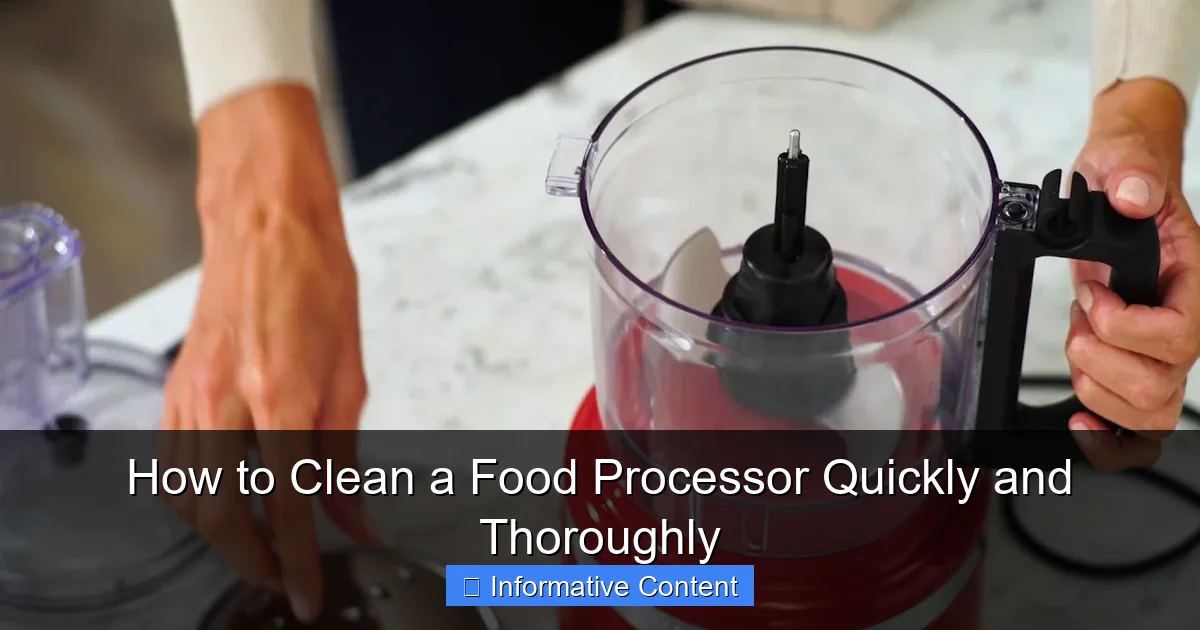
How to Clean a Food Processor Quickly and Thoroughly
Let’s be honest—no one buys a food processor with cleaning it in mind. We’re drawn to the promise of perfectly chopped onions, silky hummus, and effortless pie crusts. But after the meal is made and the kitchen is a mess, that shiny appliance suddenly feels like a chore waiting to happen. I’ve been there. After making a batch of pesto or kneading dough, I’ve stared at my food processor like it’s a puzzle I don’t have time to solve.
The good news? Cleaning a food processor doesn’t have to be a dreaded task. In fact, with the right approach, it can be quick, easy, and even a little satisfying. Whether you’ve just pulverized garlic for a marinade or blended a thick nut butter, knowing how to clean your food processor properly ensures it stays in top shape—and keeps your food tasting fresh. In this guide, I’ll walk you through a step-by-step process to clean your food processor quickly and thoroughly, so you can get back to cooking (and eating!) without the guilt of a neglected appliance.
Why Cleaning Your Food Processor Matters
You might think a quick rinse is enough, but food processors are notorious for trapping residue in hard-to-reach places. Tiny bits of onion, cheese, or dough can cling to the blade, lid, and bowl, leading to unpleasant odors, bacterial growth, and even cross-contamination between meals. Over time, this buildup can affect the performance of your machine and shorten its lifespan.
Visual guide about How to Clean a Food Processor Quickly and Thoroughly
Image source: i.ytimg.com
Think of your food processor like your coffee maker or blender—regular maintenance keeps it running smoothly. A clean food processor also ensures that flavors don’t linger. Imagine making a fresh fruit smoothie right after blending garlic and anchovies—yikes! Proper cleaning prevents flavor transfer and keeps every dish tasting exactly as intended.
The Risks of Neglect
- Bacterial growth: Moist, food-filled crevices are breeding grounds for bacteria like Salmonella or E. coli, especially with raw meats or eggs.
- Clogged blades: Dried food particles can dull blades or jam the motor over time.
- Unpleasant smells: Lingering odors from strong ingredients like fish or onions can become permanent if not cleaned promptly.
Bottom line: A little effort now saves you time, money, and stress later. Plus, a clean machine just feels better to use.
What You’ll Need to Clean Your Food Processor
Before diving in, gather your supplies. Having everything ready makes the process faster and less frustrating. Most of these items are probably already in your kitchen.
Essential Cleaning Supplies
- Dish soap (mild, non-abrasive)
- Warm water
- Sponge or soft brush (non-scratch)
- Microfiber cloth or towel
- Baking soda (for tough stains or odors)
- White vinegar (for deep cleaning and deodorizing)
- Toothbrush (for tight spaces)
Optional but helpful: A small bottle brush for the feed tube and a silicone spatula to scrape out sticky residues. If your model has dishwasher-safe parts, check the manual—many bowls and blades can go in the top rack.
Pro Tip: Clean Immediately After Use
The best time to clean your food processor is right after you’ve finished using it. Dried-on food is much harder to remove, and the longer you wait, the more work you’ll have. I keep a bowl of soapy water near the sink and drop the parts in as soon as I’m done. It’s a small habit that makes a big difference.
Step-by-Step Guide to Cleaning Your Food Processor
Now for the main event: how to clean your food processor thoroughly without wasting time. Follow these steps, and you’ll have a spotless machine in under 10 minutes.
Step 1: Unplug and Disassemble
Safety first! Always unplug your food processor before cleaning. Then, carefully remove the blade, bowl, lid, and any other removable parts. Most models have a simple twist-lock mechanism—just turn counterclockwise to unlock.
Be gentle with the blade. It’s sharp, even when not in use. I recommend holding it by the base (not the blades) when removing or handling.
Step 2: Rinse Off Loose Debris
Rinse all parts under warm running water to remove large food particles. This prevents clogging your sink and makes the next step easier. For sticky residues like dough or nut butter, use a silicone spatula to scrape them off first.
Step 3: Wash with Soap and Water
Add a few drops of dish soap to a sponge or soft brush and wash each part thoroughly. Pay special attention to:
- The blade assembly (use a toothbrush for tight spaces)
- The inside of the bowl, especially around the center shaft
- The lid, including the feed tube and pusher
- Any gaskets or seals (these trap moisture and food)
For the feed tube, a bottle brush works wonders. I once missed a chunk of cheese in mine and ended up with a funky smell for days—lesson learned!
Step 4: Tackle Tough Stains and Odors
If you’ve processed strong-smelling ingredients like garlic, fish, or onions, a simple soap wash might not be enough. Here’s how to go deeper:
- Baking soda paste: Mix 1 tablespoon of baking soda with a little water to form a paste. Apply to stained areas, let sit for 5–10 minutes, then scrub and rinse.
- Vinegar soak: Fill the bowl with equal parts water and white vinegar. Let it sit for 15–20 minutes, then rinse. This neutralizes odors and dissolves mineral buildup.
- Lemon juice: Great for cutting through grease. Rub a cut lemon over oily parts, then rinse.
I use the vinegar soak method once a month, even if the processor looks clean. It’s like a reset for your machine.
Step 5: Dry Completely
After washing, dry all parts with a clean microfiber cloth. Let them air-dry upside down on a dish rack to prevent water from pooling in crevices. Moisture left inside can lead to mold or rust, especially around the motor base.
Never reassemble the food processor while parts are still damp. I made this mistake once and noticed a musty smell the next time I used it—definitely not ideal.
Dishwasher vs. Hand Washing: What’s Best?
This is a common debate among home cooks. Can you put your food processor in the dishwasher? The answer depends on your model.
Check the Manual First
Most modern food processors have dishwasher-safe bowls, lids, and blades—but only in the top rack. The high heat and harsh detergents in the bottom rack can warp plastic or damage seals. Always consult your user manual to be sure.
For example, my Cuisinart DLC-8 has a dishwasher-safe bowl and blade, but the lid has a rubber gasket that can degrade in the dishwasher. I hand-wash the lid to extend its life.
Pros and Cons
| Method | Pros | Cons |
|---|---|---|
| Dishwasher | Fast, hands-off, great for greasy parts | May damage seals or plastic over time; not all parts are safe |
| Hand Washing | Gentler on parts, better control, can target tough spots | More time-consuming; requires immediate attention |
My rule of thumb: Use the dishwasher for routine cleaning, but hand-wash after processing strong-smelling or sticky foods. It’s all about balance.
Maintenance Tips to Keep Your Food Processor Clean Longer
Cleaning doesn’t end when the parts are dry. A little maintenance goes a long way in keeping your food processor in peak condition.
Regular Deep Cleaning
Once a month, give your food processor a deep clean—even if it looks fine. Run a vinegar-water solution through the bowl, scrub the blade with a toothbrush, and wipe down the motor base with a damp cloth. This prevents buildup and keeps odors at bay.
Store Properly
Store your food processor with the lid off or loosely covered to allow airflow. Trapped moisture can lead to mold or mildew. I keep mine on the counter with the bowl inverted to let it breathe.
Avoid Overloading
Packing too much food into the bowl can cause splatter and make cleaning harder. Follow the manufacturer’s guidelines for maximum capacity. For example, my 11-cup processor handles about 8 cups of chopped vegetables comfortably—anything more creates a mess.
Use Liners for Sticky Foods
When making dough or nut butters, consider using a silicone liner or parchment paper in the bowl. It makes cleanup nearly effortless. I’ve started doing this for cookie dough, and it’s a game-changer.
Final Thoughts: Make Cleaning Part of the Routine
Cleaning your food processor doesn’t have to be a chore—it can be a quick, mindful part of your cooking ritual. By cleaning immediately, using the right tools, and maintaining your machine, you’ll extend its life and keep every meal tasting fresh.
Remember, a clean food processor is a happy food processor. And a happy food processor means more time enjoying your cooking, not scrubbing it. So the next time you finish blending that perfect soup or chopping those herbs, take five minutes to give your machine the care it deserves. Your future self—and your taste buds—will thank you.
Frequently Asked Questions
How do I clean a food processor quickly after use?
Start by disassembling the bowl, lid, blade, and any removable parts. Rinse them under warm water to remove food residue, then wash with dish soap and a sponge for a fast cleanup.
Can I put my food processor parts in the dishwasher?
Most food processor bowls, lids, and blades are dishwasher-safe, but always check the manufacturer’s instructions first. Place small parts in the utensil basket to prevent them from getting lost.
How do I remove stuck-on food from the food processor blade?
Soak the blade in warm, soapy water for 5–10 minutes to loosen debris. Use a soft brush or sponge to gently scrub—never use metal tools that could damage the blade.
What’s the best way to clean the food processor base?
Wipe the motor base with a damp cloth and mild detergent—never submerge it in water. Use a dry cloth to remove moisture and prevent damage to the electrical components.
How often should I deep clean my food processor?
Deep clean your food processor after processing strong-smelling foods like onions or garlic, or at least once a week with regular use. This prevents odor buildup and ensures hygiene.
Can I use vinegar to clean my food processor?
Yes, a mixture of vinegar and water can help remove odors and sanitize removable parts. Soak components for 10 minutes, then rinse thoroughly to avoid lingering smells.