
Low Calorie Meal Ideas for Healthy Weight Loss
Why Low Calorie Meals Support Healthy Weight Loss
Starting a weight loss journey doesn’t mean giving up flavor or feeling hungry all the time. In fact, the secret to lasting success lies in choosing low calorie meal ideas that are both nutritious and delicious. When you eat fewer calories than your body burns, you create a calorie deficit—the foundation of weight loss. But it’s not just about cutting calories; it’s about making smart choices that fuel your body and keep you satisfied.
Many people assume low calorie means low satisfaction, but that’s far from the truth. With the right ingredients and preparation, you can enjoy hearty, flavorful meals that support your goals. The key is focusing on nutrient-dense foods—those packed with vitamins, minerals, fiber, and protein—while minimizing empty calories from added sugars and unhealthy fats. This approach not only helps you shed pounds but also boosts energy, improves digestion, and supports long-term health.
Building Blocks of a Low Calorie Meal
Fill Half Your Plate with Veggies
Vegetables are the cornerstone of any low calorie meal. They’re naturally low in calories but high in fiber, which helps you feel full and supports digestion. Aim to fill at least half your plate with non-starchy vegetables like spinach, broccoli, zucchini, bell peppers, and tomatoes. These add volume and crunch without piling on the calories.
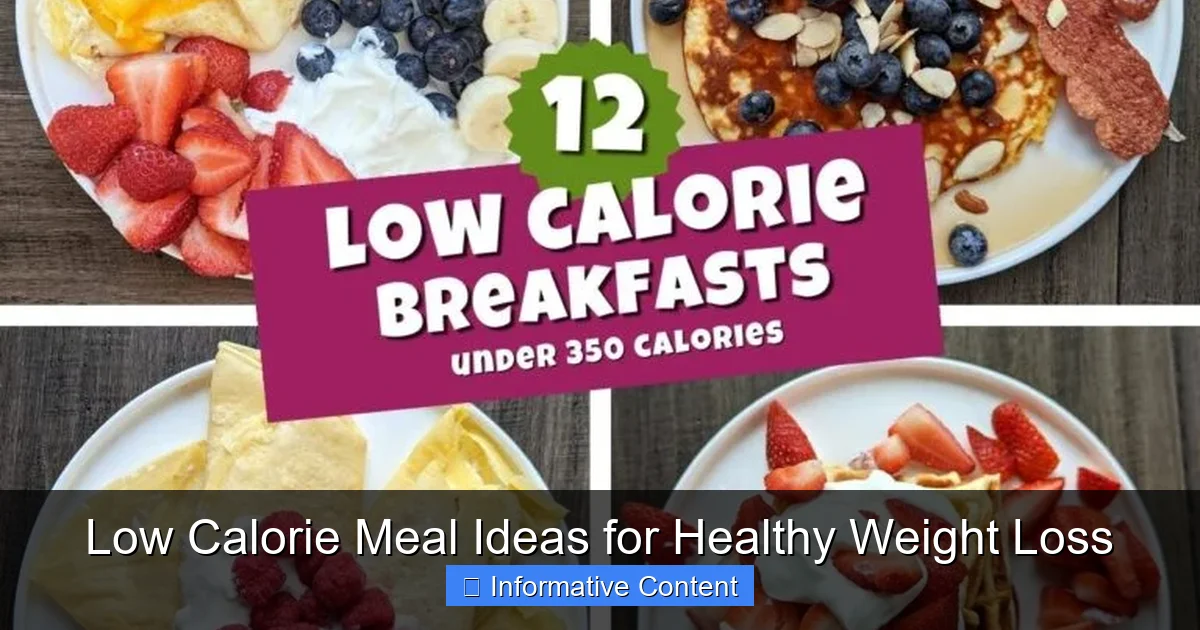
Visual guide about Low Calorie Meal Ideas for Healthy Weight Loss
Image source: healthbeet.org
Choose Lean Proteins
Protein is essential for preserving muscle mass during weight loss and keeping hunger at bay. Opt for lean sources like grilled chicken breast, turkey, fish, tofu, eggs, and legumes. A 3-ounce serving of chicken breast has about 140 calories and 26 grams of protein—making it a smart, satisfying choice.
Incorporate Smart Carbs
Not all carbs are created equal. Swap refined grains like white bread and pasta for whole grains such as quinoa, brown rice, oats, and barley. These digest more slowly, preventing blood sugar spikes and keeping you full longer. A half-cup of cooked quinoa, for example, has around 110 calories and 4 grams of protein.
Add Healthy Fats in Moderation
While fats are more calorie-dense, they’re important for hormone balance and nutrient absorption. Use small amounts of healthy fats like olive oil, avocado, nuts, and seeds. A teaspoon of olive oil (40 calories) can enhance flavor and satiety without derailing your calorie goals.
Breakfast Ideas Under 300 Calories
Veggie-Packed Egg White Omelet
Whisk 3 egg whites with a splash of water, then cook with spinach, mushrooms, onions, and a sprinkle of low-fat cheese. Serve with half a whole-grain English muffin. This meal clocks in at around 250 calories and delivers 20 grams of protein to kickstart your day.
Greek Yogurt Parfait
Layer ¾ cup of non-fat Greek yogurt with ½ cup of mixed berries and 2 tablespoons of chopped almonds. Drizzle with a teaspoon of honey for sweetness. At just 280 calories, this breakfast is rich in protein, antioxidants, and healthy fats.
Overnight Oats with Chia
Mix ½ cup rolled oats, 1 cup unsweetened almond milk, 1 tablespoon chia seeds, and a dash of cinnamon. Let it sit overnight, then top with sliced banana in the morning. This fiber-rich meal keeps you full for hours and contains only about 270 calories.
Lunch Options Under 400 Calories
Grilled Chicken Salad
Toss mixed greens, cherry tomatoes, cucumber, and shredded carrots with 3 ounces of grilled chicken. Dress with 1 tablespoon of balsamic vinaigrette. Add a few slices of avocado for creaminess. Total: ~380 calories.
Lentil and Vegetable Soup
Make a big batch of hearty soup with lentils, carrots, celery, onions, and tomatoes. Season with garlic, cumin, and oregano. One large bowl (about 1.5 cups) has roughly 350 calories and is loaded with fiber and plant-based protein.
Turkey and Hummus Wrap
Use a whole-wheat tortilla and spread with 2 tablespoons of hummus. Add 3 ounces of sliced turkey, spinach, and shredded carrots. Roll it up and slice in half. This tasty wrap comes in at just 320 calories.
Dinner Recipes Under 500 Calories
Baked Salmon with Roasted Vegetables
Place a 4-ounce salmon fillet on a baking sheet with broccoli, zucchini, and red bell pepper. Drizzle with olive oil, lemon juice, garlic, and dill. Bake at 400°F for 15–20 minutes. This flavorful dinner is only 450 calories and rich in omega-3 fatty acids.
Zucchini Noodles with Turkey Bolognese
Spiralize zucchini into noodles and sauté lightly. Top with a sauce made from lean ground turkey, crushed tomatoes, onions, garlic, and Italian herbs. One serving is about 420 calories and feels like a hearty pasta meal—without the guilt.
Stuffed Bell Peppers
Cut the tops off bell peppers and remove seeds. Stuff with a mixture of cooked quinoa, black beans, corn, diced tomatoes, and spices. Bake until tender. Each stuffed pepper is around 380 calories and packed with fiber and plant protein.
Snacks and Sides That Fit Your Plan
Fresh Fruit with Nut Butter
Slice an apple or banana and dip in 1 tablespoon of almond or peanut butter. This combo of fiber and healthy fats keeps cravings in check and totals about 200 calories.
Cucumber Slices with Hummus
Slice cucumbers and serve with ¼ cup of hummus. Crunchy, refreshing, and only 120 calories—perfect for a mid-afternoon pick-me-up.
Air-Popped Popcorn
Skip the butter and make air-popped popcorn instead. A 3-cup serving has just 90 calories and provides a satisfying crunch. Sprinkle with nutritional yeast for a cheesy flavor boost.
Tips for Success with Low Calorie Eating
Plan and Prep Ahead
Set aside time each week to plan your meals and prep ingredients. Chop veggies, cook grains, and portion out snacks. This reduces stress and makes healthy choices easier when you’re busy.
Use Smaller Plates and Bowls
Trick your brain into feeling satisfied with less food by using smaller dishware. Studies show people eat less when served on a 9-inch plate instead of a 12-inch one.
Drink Water Before Meals
Have a glass of water 15–20 minutes before eating. This simple habit can reduce hunger and help you eat fewer calories without even thinking about it.
Read Labels Carefully
Not all “healthy” packaged foods are low in calories. Check nutrition labels for serving sizes, added sugars, and total calories to avoid hidden pitfalls.
Practice Mindful Eating
Eat slowly, put your fork down between bites, and pay attention to your hunger cues. This helps prevent overeating and increases enjoyment of your food.
Low calorie meal ideas don’t have to be boring or restrictive. With a little creativity and planning, you can enjoy delicious, satisfying meals that support your weight loss goals. Focus on whole, unprocessed ingredients, balance your nutrients, and savor every bite. Remember, healthy weight loss is a marathon, not a sprint—and these meals are designed to keep you energized and on track for the long haul.
Frequently Asked Questions
Can I lose weight eating 1,200 calories a day?
Yes, a 1,200-calorie diet can support weight loss for many people, especially women or those with lower activity levels. However, it’s important to ensure you’re still getting enough nutrients. Focus on nutrient-dense foods and consult a healthcare provider before starting any very low-calorie plan.
Are frozen vegetables good for low calorie meals?
Absolutely! Frozen vegetables are just as nutritious as fresh and often more convenient. They’re flash-frozen at peak ripeness, locking in vitamins and fiber. Just avoid varieties with added sauces or butter.
Do I need to count calories to lose weight?
Not necessarily. While calorie counting can be helpful, focusing on whole, filling foods and portion control often leads to natural calorie reduction. Listening to your hunger and fullness cues is also key.
Can I eat carbs on a low calorie diet?
Yes! Choose complex carbs like oats, quinoa, sweet potatoes, and whole grains. They provide sustained energy and fiber, helping you feel full longer without spiking blood sugar.
How can I make low calorie meals taste better?
Use herbs, spices, citrus zest, garlic, and vinegar to add bold flavors without extra calories. Experiment with combinations like lemon and thyme, cumin and chili powder, or balsamic and basil.
Is it okay to snack on a low calorie diet?
Yes, as long as snacks are nutritious and fit within your daily calorie goal. Healthy snacks like fruit, veggies with hummus, or a small handful of nuts can prevent overeating at meals.