
High Protein Healthy Recipes for Energy and Wellness
Why High Protein Healthy Recipes Matter for Your Daily Life
Let’s be honest—most of us are juggling work, family, and personal goals, often with little time to spare. That’s why what we eat matters more than ever. High protein healthy recipes aren’t just for bodybuilders or athletes; they’re for anyone who wants to feel energized, focused, and strong throughout the day.
Protein is one of the three essential macronutrients, alongside carbohydrates and fats. But unlike quick-burning carbs, protein digests slowly, helping you stay full and avoid energy dips. It also plays a crucial role in repairing tissues, building muscle, and supporting immune function. When you eat balanced, protein-rich meals, you’re not just feeding your body—you’re fueling your life.
What Makes a Recipe Truly High Protein and Healthy?
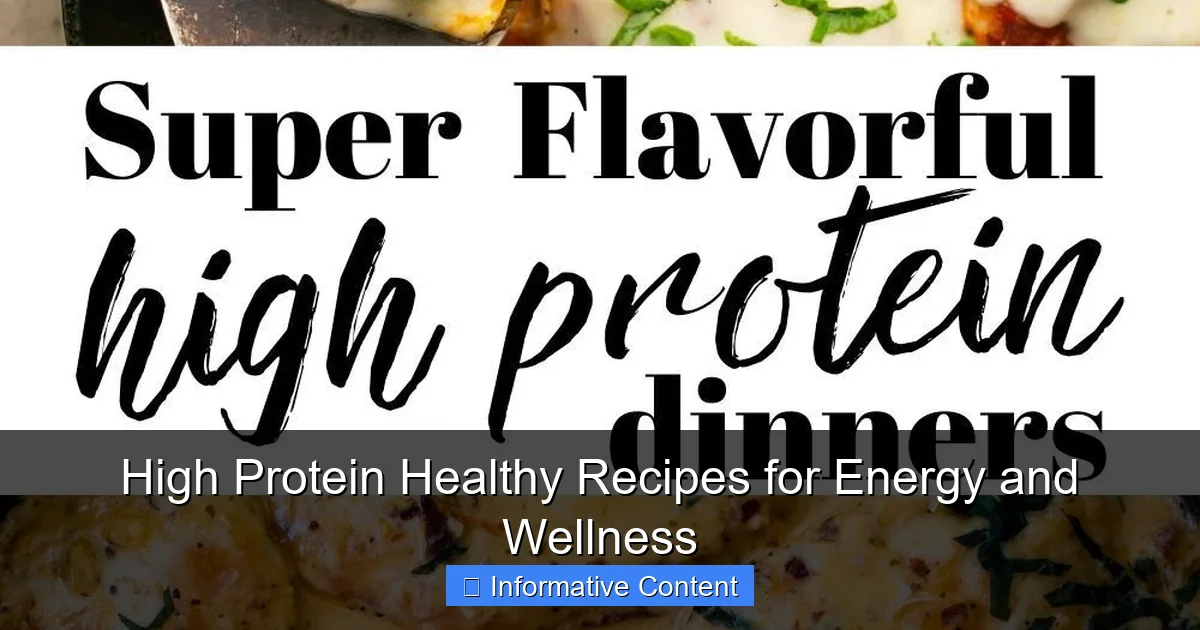
Not all protein sources are created equal. A truly healthy high protein recipe combines quality protein with whole, minimally processed ingredients. Think lean meats, eggs, legumes, dairy, tofu, and seeds—paired with vegetables, whole grains, and healthy fats.
Visual guide about High Protein Healthy Recipes for Energy and Wellness
Image source: i.pinimg.com
Look for Whole Food Ingredients
Avoid recipes loaded with added sugars, refined flours, or artificial additives. Instead, choose dishes that highlight natural flavors and nutrient density. For example, a grilled chicken salad with quinoa, avocado, and spinach is far more nourishing than a protein bar packed with preservatives.
Balance Is Key
Even the healthiest high protein meal can fall short if it lacks balance. Aim to include a source of protein, a complex carbohydrate (like sweet potatoes or brown rice), and a healthy fat (such as olive oil or nuts). This trio keeps your blood sugar stable and supports long-lasting energy.
Top Protein Sources for Every Diet
Whether you eat meat or follow a plant-based lifestyle, there are plenty of delicious and nutritious protein options to choose from. The key is variety—rotating your sources ensures you get a broad spectrum of amino acids and micronutrients.
Visual guide about High Protein Healthy Recipes for Energy and Wellness
Image source: s2.studylib.net
Animal-Based Proteins
- Chicken breast: Lean, versatile, and packed with about 31 grams of protein per 100 grams.
- Eggs: A complete protein with all nine essential amino acids—plus they’re affordable and easy to cook.
- Greek yogurt: Contains nearly double the protein of regular yogurt and supports gut health with probiotics.
- Salmon: Rich in protein and omega-3 fatty acids, which support brain and heart health.
Plant-Based Proteins
- Lentils: Offer about 18 grams of protein per cooked cup and are high in fiber.
- Tofu and tempeh: Great meat substitutes made from soybeans, with around 10–20 grams of protein per serving.
- Chickpeas: Perfect for salads, soups, or roasted snacks—about 15 grams of protein per cup.
- Quinoa: A complete protein grain with 8 grams per cooked cup.
5 Delicious High Protein Healthy Recipes to Try Today
Ready to put these ideas into action? Here are five simple, satisfying recipes that deliver big on protein and flavor—without requiring hours in the kitchen.
1. Grilled Chicken & Veggie Bowl
Marinate chicken breast in olive oil, lemon juice, garlic, and herbs. Grill until cooked through, then slice and serve over a bed of quinoa, roasted broccoli, cherry tomatoes, and avocado. Drizzle with a tahini-lemon dressing for extra creaminess and healthy fats.
2. Black Bean & Sweet Potato Tacos
Roast cubed sweet potatoes with cumin and paprika. Warm corn tortillas and fill with black beans, roasted sweet potatoes, shredded cabbage, and a dollop of Greek yogurt. Top with lime juice and cilantro for a zesty, plant-powered meal.
3. Egg & Spinach Breakfast Wrap
Scramble two eggs with fresh spinach, diced tomatoes, and a sprinkle of feta. Wrap in a whole-grain tortilla and serve with a side of sliced avocado. This quick breakfast packs over 20 grams of protein and keeps you full until lunch.
4. Lentil & Vegetable Soup
Sauté onions, carrots, and celery, then add red lentils, diced tomatoes, vegetable broth, and spices like turmeric and thyme. Simmer until tender. Serve with a slice of whole-grain bread for a hearty, fiber-rich dinner.
5. Tofu Stir-Fry with Brown Rice
Press and cube firm tofu, then pan-fry until golden. Stir-fry with broccoli, bell peppers, snap peas, and a ginger-soy sauce. Serve over brown rice for a complete, plant-based meal with over 25 grams of protein.
Tips for Making High Protein Meals Easy and Enjoyable
Eating well doesn’t have to be complicated or time-consuming. With a few smart strategies, you can make high protein healthy recipes a seamless part of your routine.
Plan and Prep Ahead
Set aside one hour on the weekend to cook proteins like grilled chicken, hard-boiled eggs, or roasted chickpeas. Store them in the fridge for quick assembly during the week. Pre-chop veggies and cook a batch of quinoa or brown rice to save even more time.
Use Flavorful Seasonings
Protein-rich foods can sometimes taste bland if under-seasoned. Experiment with herbs, spices, citrus, and sauces to keep meals exciting. Try smoked paprika, garlic powder, or a splash of balsamic vinegar to elevate simple dishes.
Keep Snacks Handy
When hunger strikes between meals, reach for high protein snacks like Greek yogurt, cottage cheese, edamame, or a handful of nuts. These help maintain energy and prevent overeating at your next meal.
How Much Protein Do You Really Need?
The recommended daily intake for protein is about 0.8 grams per kilogram of body weight for the average adult. However, active individuals, older adults, and those looking to build or maintain muscle may benefit from 1.2 to 2.0 grams per kilogram.
For example, a 150-pound (68 kg) person might aim for 80–135 grams of protein per day, depending on their activity level and goals. The best approach is to spread protein intake evenly across meals—about 20–30 grams per sitting—to maximize muscle synthesis and satiety.
Conclusion: Fuel Your Body, Fuel Your Life
High protein healthy recipes are more than just a trend—they’re a sustainable way to support your energy, wellness, and overall health. By choosing whole, nutrient-dense ingredients and balancing your meals, you can enjoy delicious food that truly nourishes your body.
Start small. Swap one meal a day for a protein-rich option. Try a new recipe each week. Over time, these habits will become second nature, and you’ll notice the difference in how you feel—more energy, better focus, and greater confidence in your health journey.
Frequently Asked Questions
What are the best high protein foods for vegetarians?
Lentils, chickpeas, tofu, tempeh, quinoa, Greek yogurt, and eggs are excellent plant-based protein sources. Combining different plant proteins throughout the day ensures you get all essential amino acids.
Can high protein diets help with weight loss?
Yes, high protein meals can support weight loss by increasing satiety, reducing cravings, and preserving lean muscle mass during calorie deficits. However, balance and portion control are still important.
How can I add more protein to my breakfast?
Try adding Greek yogurt, eggs, protein powder to smoothies, or nut butter to oatmeal. Even a handful of nuts or seeds can boost your morning protein intake.
Are high protein recipes suitable for kids?
Absolutely. Children need protein for growth and development. Offer kid-friendly versions like turkey meatballs, cheese quesadillas with beans, or peanut butter banana smoothies.
Do I need protein powder to meet my needs?
Not necessarily. Most people can meet their protein needs through whole foods. Protein powder can be helpful for athletes or those with higher needs, but it’s not required for everyone.
Can I eat high protein meals every day?
Yes, as long as your overall diet is balanced and includes a variety of nutrients. Focus on whole foods and avoid over-relying on processed protein products.