
Flavorful Baked Salmon with Herbs Easy Recipe
Why Baked Salmon with Herbs Belongs on Your Dinner Table
There’s something truly satisfying about a meal that’s both healthy and full of flavor—and baked salmon with herbs checks every box. Whether you’re cooking for one, feeding a family, or hosting friends, this dish delivers elegance without the stress. It’s the kind of recipe that feels special but doesn’t require hours in the kitchen or a culinary degree to pull off. Salmon is one of the most nutritious fish you can eat. Packed with omega-3 fatty acids, it supports heart health, brain function, and reduces inflammation. Plus, it’s a complete protein, making it a fantastic choice for muscle repair and sustained energy. When you bake it with a fragrant mix of fresh herbs, olive oil, and a hint of citrus, you elevate simple ingredients into something truly memorable.What Makes This Recipe So Special?
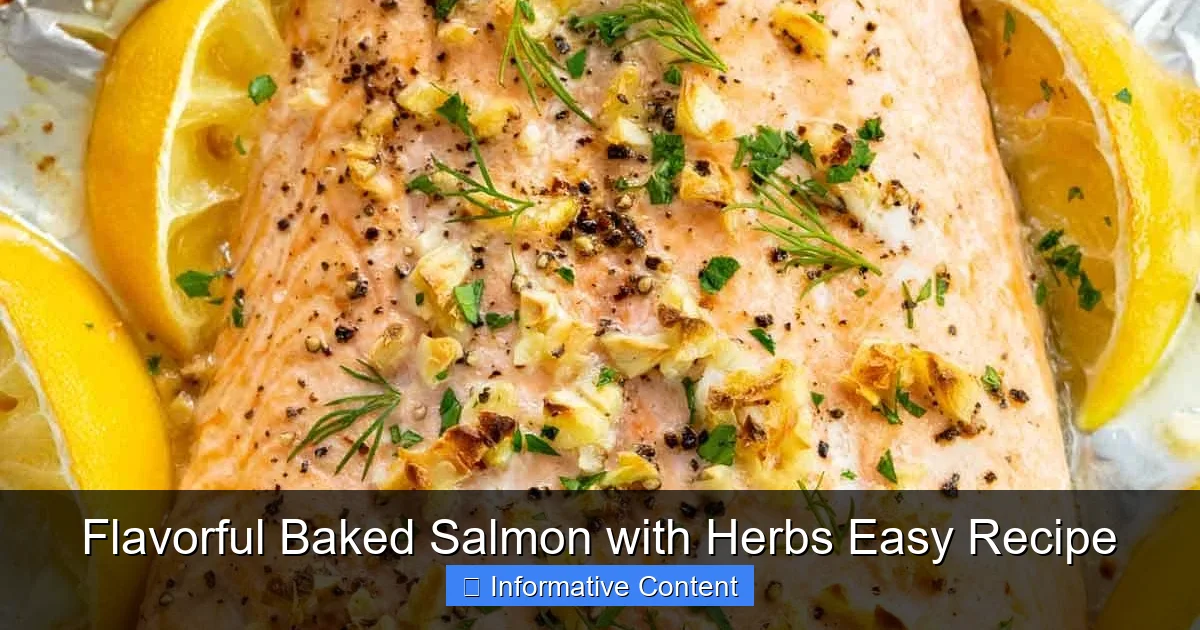
Visual guide about Flavorful Baked Salmon with Herbs Easy Recipe
Image source: jessicagavin.com
The Power of Herbs in Flavor Building
Herbs aren’t just for garnish—they’re flavor powerhouses. In this recipe, a blend of fresh dill, parsley, and thyme creates a bright, aromatic crust that complements the rich taste of salmon. Dill adds a subtle anise-like sweetness, parsley brings freshness, and thyme lends an earthy depth. If you don’t have fresh herbs on hand, dried versions work too—just use about one-third the amount, since dried herbs are more concentrated. You can also get creative. Try adding a sprinkle of rosemary for a piney note, or a pinch of oregano for a Mediterranean twist. Even a little chive or tarragon can take the flavor profile in a new direction. The key is to layer the herbs—mix some into the olive oil marinade and sprinkle more on top before baking for maximum impact.Why Baking Beats Other Cooking Methods
While salmon can be cooked in many ways—pan-seared, grilled, or poached—baking offers unique advantages. It’s hands-off, consistent, and forgiving. You don’t need to watch the stove or flip the fish halfway through. Just season, slide the pan into the oven, and let the heat do the work. Baking also allows the herbs and seasonings to meld with the fish as it cooks. The olive oil helps carry the flavors deep into the flesh, while the gentle heat prevents the salmon from drying out. Plus, you can easily scale the recipe up or down—whether you’re cooking for two or ten, the method stays the same.Ingredients You’ll Need
One of the best things about this recipe is how accessible the ingredients are. You likely already have most of them in your kitchen. Here’s what you’ll need for a standard 4-serving batch:- 4 salmon fillets (about 6 ounces each), skin-on or skin-off
- 3 tablespoons extra-virgin olive oil
- 2 tablespoons fresh dill, chopped
- 2 tablespoons fresh parsley, chopped
- 1 tablespoon fresh thyme leaves
- 2 cloves garlic, minced
- 1 lemon (zested and juiced)
- 1 teaspoon sea salt
- ½ teaspoon black pepper
- Optional: 1 teaspoon Dijon mustard for added depth
Choosing the Right Salmon
Not all salmon is created equal. For the best results, opt for wild-caught Alaskan salmon when possible. It tends to have a richer flavor and higher omega-3 content than farmed varieties. Look for fillets that are bright pink or reddish, with firm flesh and no strong fishy odor. If you’re using skin-on fillets, you can leave the skin on—it helps hold the fish together and adds texture. Many people enjoy eating the skin, especially when it’s crisped up in the oven. If you prefer skinless, that works just as well.Herb Substitutions and Swaps
Don’t stress if you’re missing a herb or two. This recipe is flexible. If you don’t have fresh dill, try tarragon or fennel fronds. No thyme? Rosemary or marjoram can step in. Parsley can be swapped with cilantro or basil for a different flavor profile. Dried herbs are a great backup. Just remember: 1 tablespoon fresh = 1 teaspoon dried. So if a recipe calls for 2 tablespoons fresh dill, use about 2 teaspoons dried instead. Add dried herbs earlier in the process so they have time to rehydrate and release their flavors.Step-by-Step Instructions
Now that you’ve gathered your ingredients, let’s walk through the process. This recipe takes about 25 minutes from start to finish—10 minutes of prep and 15 minutes of baking.Prep the Salmon
Start by preheating your oven to 400°F (200°C). Line a baking sheet with parchment paper or lightly grease it to prevent sticking. Pat the salmon fillets dry with paper towels—this helps the seasoning stick and ensures a better sear. Place the fillets on the prepared baking sheet, skin-side down if using skin-on. Season both sides lightly with salt and pepper.Make the Herb Mixture
In a small bowl, combine the olive oil, minced garlic, lemon zest, lemon juice, chopped dill, parsley, and thyme. Stir well to combine. If you’re using Dijon mustard, whisk it in now—it adds a subtle tang and helps the herbs cling to the fish.Coat and Bake
Brush the herb mixture generously over the top of each salmon fillet. Make sure every piece is well coated—this is where the flavor comes from. Don’t worry about being perfect; a little extra never hurts. Bake in the preheated oven for 12–15 minutes, depending on the thickness of your fillets. A 1-inch thick fillet will take about 13 minutes. The salmon is done when it flakes easily with a fork and reaches an internal temperature of 145°F (63°C).Rest and Serve
Remove the salmon from the oven and let it rest for 2–3 minutes. This allows the juices to redistribute, keeping the fish moist. Garnish with extra herbs and a few lemon slices if desired. Serve immediately while warm. This dish pairs beautifully with steamed asparagus, garlic mashed potatoes, or a crisp arugula salad with a lemon vinaigrette.Serving Suggestions and Pairings
One of the joys of baked salmon with herbs is its versatility. It works as a standalone main course or as part of a larger meal. Here are a few ideas to round out your plate:- Roasted vegetables: Toss broccoli, carrots, or Brussels sprouts with olive oil, salt, and pepper, and roast them alongside the salmon.
- Grain bowls: Serve over quinoa, brown rice, or farro for a hearty, balanced meal.
- Fresh salads: A simple green salad with cucumber, cherry tomatoes, and a light vinaigrette complements the richness of the fish.
- Crusty bread: Perfect for soaking up any extra herb oil on the plate.
- White wine pairing: A crisp Sauvignon Blanc or Chardonnay enhances the herbal notes and cuts through the richness.
Make It a Family Favorite
If you have picky eaters at home, this recipe can still win them over. The herbs are mild and aromatic, not overpowering. You can reduce the garlic or skip it entirely if needed. For kids, try serving the salmon with a side of sweet potato fries or mac and cheese—familiar flavors that balance the new dish. Another tip: involve the kids in the prep. Let them help wash the herbs, squeeze the lemon, or brush on the oil. When children participate in cooking, they’re more likely to try the final result.Storing and Reheating Tips
Leftovers? Absolutely! Baked salmon with herbs stores well and makes a great next-day lunch.How to Store
Let the salmon cool completely, then transfer it to an airtight container. Store in the refrigerator for up to 3 days. Keep any leftover herb oil in a separate small container if you’d like to drizzle it over reheated fish.Reheating Without Drying Out
To reheat, place the salmon in a skillet over low heat with a splash of water or broth. Cover and warm gently for 3–5 minutes. Alternatively, reheat in the oven at 275°F (135°C) for 10–12 minutes. Avoid the microwave if possible—it can make the fish rubbery.Freezing Options
While fresh is best, you can freeze cooked salmon for up to 2 months. Wrap individual portions tightly in plastic wrap and place in a freezer-safe bag. Thaw in the refrigerator overnight before reheating.Conclusion
This Flavorful Baked Salmon with Herbs Easy Recipe is more than just a meal—it’s a gateway to healthier, more delicious eating. It’s quick, nutritious, and bursting with fresh, vibrant flavors. Whether you’re a seasoned cook or just starting out, this dish proves that great food doesn’t have to be complicated. With simple ingredients and minimal effort, you can create something that feels special and satisfying. So the next time you’re wondering what to make for dinner, reach for the salmon, grab some herbs, and let the oven do the rest. Your taste buds—and your body—will thank you.Frequently Asked Questions
Can I use frozen salmon for this recipe?
Yes, you can use frozen salmon, but it’s best to thaw it completely first. Place the fillets in the refrigerator overnight or use the defrost setting on your microwave. Pat dry before seasoning to ensure the herbs stick properly.
How do I know when the salmon is fully cooked?
The salmon is done when it flakes easily with a fork and reaches an internal temperature of 145°F (63°C). You can check with a meat thermometer inserted into the thickest part of the fillet.
Can I make this recipe dairy-free and gluten-free?
Absolutely! This recipe is naturally dairy-free and gluten-free. Just ensure any added ingredients like mustard are certified gluten-free if needed.
What if I don’t have fresh herbs?
Dried herbs work well as a substitute. Use about one-third the amount called for with fresh herbs. For example, if the recipe calls for 2 tablespoons fresh dill, use 2 teaspoons dried instead.
Can I grill this salmon instead of baking it?
Yes, you can grill it! Preheat the grill to medium-high heat and oil the grates. Grill the salmon for 4–5 minutes per side, depending on thickness. The herb mixture may burn slightly, so consider using a grill basket or foil packet.
How long does leftover salmon last?
Cooked salmon with herbs can be stored in the refrigerator for up to 3 days. Reheat gently to maintain moisture and flavor. For longer storage, freeze for up to 2 months.